💤 Why Sleep Is Essential for a Healthy Body and Mind
Category: Uncategorized
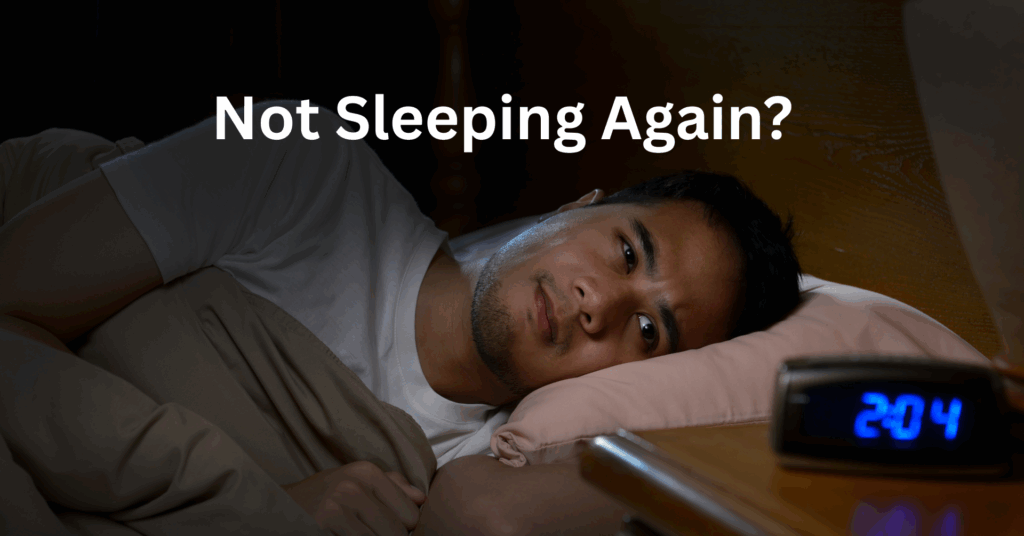
Sleep is often the first thing we sacrifice when life gets busy. We convince ourselves that we can “catch up later” or power through on caffeine and willpower. But what if we told you that sleep isn’t just a luxury — it’s a biological necessity?
Getting quality sleep is one of the most powerful tools we have for restoring, repairing, and protecting every system in the body. From your brain to your immune system, here’s how sleep plays a critical role in your health:
🧠 1. Brain Function and Mental Health
Sleep is when your brain goes into clean-up mode. It clears away toxins, consolidates memories, processes emotions, and supports learning. Chronic sleep deprivation has been linked to:
- Poor concentration
- Memory problems
- Increased risk of anxiety and depression
When you’re well-rested, your brain performs better — it’s that simple.
🫀 2. Cardiovascular and Metabolic Health
During deep sleep, your heart rate and blood pressure drop, giving your cardiovascular system a chance to rest. Sleep also helps regulate:
- Blood sugar levels
- Appetite hormones (ghrelin and leptin)
- Inflammation levels
Without proper rest, you’re at greater risk for high blood pressure, heart disease, obesity, and type 2 diabetes.
🛡️ 3. Immune Function
Ever noticed how you’re more likely to get sick after several sleepless nights? That’s no coincidence. Sleep strengthens immune defenses, helping your body:
- Produce infection-fighting antibodies
- Recover from illness faster
Quality sleep is one of the best ways to boost your immune resilience naturally.
🧬 4. Cellular Repair and Hormone Balance
Your body releases growth hormone and other key repair agents during deep sleep. These are crucial for:
- Tissue repair
- Muscle growth
- Regulating stress hormones like cortisol
Without enough sleep, your body remains in a state of low-grade stress.
🌱 5. Emotional Resilience and Mood
Sleep affects how you handle stress and relationships. Just one bad night can increase:
- Irritability
- Emotional reactivity
- Impulsive decision-making
Long-term sleep loss has even been linked to higher suicide risk in teens and veterans.
🔄 What Happens When You Don’t Sleep Enough?
A consistent lack of sleep can lead to:
- Weight gain
- Reduced libido
- Depression and anxiety
- Poor decision-making
- Slower healing and recovery
You can’t “train” your body to function on less sleep. Eventually, it catches up to you.
✅ How Much Sleep Do You Need?
| Age Group | Recommended Hours of Sleep |
|---|---|
| Children 6–13 | 9–11 hours |
| Teens 14–17 | 8–10 hours |
| Adults 18–64 | 7–9 hours |
| Older Adults 65+ | 7–8 hours |
🧘♂️ Final Thoughts: Make Sleep a Priority
Treat sleep like the foundation it is — not an afterthought. If you’re looking to:
- Improve focus
- Boost energy
- Support healing
- Strengthen immunity
…start with your sleep routine. Your future self will thank you.
📅 Ready to Take Charge of Your Health?
Schedule your free Brain-Fuel Wellness Strategy Session to discover how nutrition, supplements, and lifestyle can help you sleep better and feel better.
👉 Book your session here
Facebook Comments