🥚 Why We Need Protein—and What Happens When We Don’t Get Enough
Category: Uncategorized
Essential Guide for Adults 50+
When most people think about protein, they think about muscle. But protein plays a far more powerful role in your health than you might realize—especially as you age.
In this post, we’ll cover why your body needs protein, how much you should be getting every day, and what happens when you don’t get enough. Whether you’re focused on staying strong, aging well, or just feeling more energized, this information can change the way you eat and live.
🧠 Why Is Protein Important?
Protein is a building block for nearly every system in your body. It’s not just for bodybuilders—everyone needs proteinto stay healthy and functional.
Here’s what protein does in your body:
- Repairs and rebuilds tissue (muscles, skin, hair, nails)
- Creates enzymes and hormones for metabolism and digestion
- Supports immune function to fight off illness
- Carries oxygen through the blood
- Helps maintain lean muscle mass, which naturally declines with age
- Keeps you full longer—helping with healthy weight management
📊 How Much Protein Do You Really Need?
The standard Recommended Dietary Allowance (RDA) is 0.8 grams of protein per kilogram of body weight. But that’s just the minimum to prevent deficiency—not necessarily what’s best for thriving health.
✅ General Daily Protein Needs:
| Group | Daily Protein Needs |
|---|---|
| Adult Women (<50) | ~46 grams |
| Adult Men (<50) | ~56 grams |
| Women 50+ | 50–60 grams (or 1.0–1.2g/kg) |
| Men 50+ | 60–70 grams (or 1.0–1.2g/kg) |
Older adults often need more to maintain strength and prevent muscle loss.
Example:
If you weigh 160 lbs (72.5 kg), aim for:
- Minimum: 58g/day
- Optimal: 87g/day (based on 1.2g/kg)
⚠️ Signs You’re Not Getting Enough Protein
It’s easy to overlook a protein deficiency—especially if you’re eating regular meals. But the signs often show up in subtle ways:
- Muscle weakness or fatigue
- Slow recovery from injuries
- Hair thinning or brittle nails
- Frequent infections or illness
- Mood swings or poor focus
- Swelling in hands or feet (severe deficiency)
- Weight gain with decreased muscle tone
For adults 50+, not getting enough protein can lead to frailty, falls, and even longer hospital stays after illness or surgery.
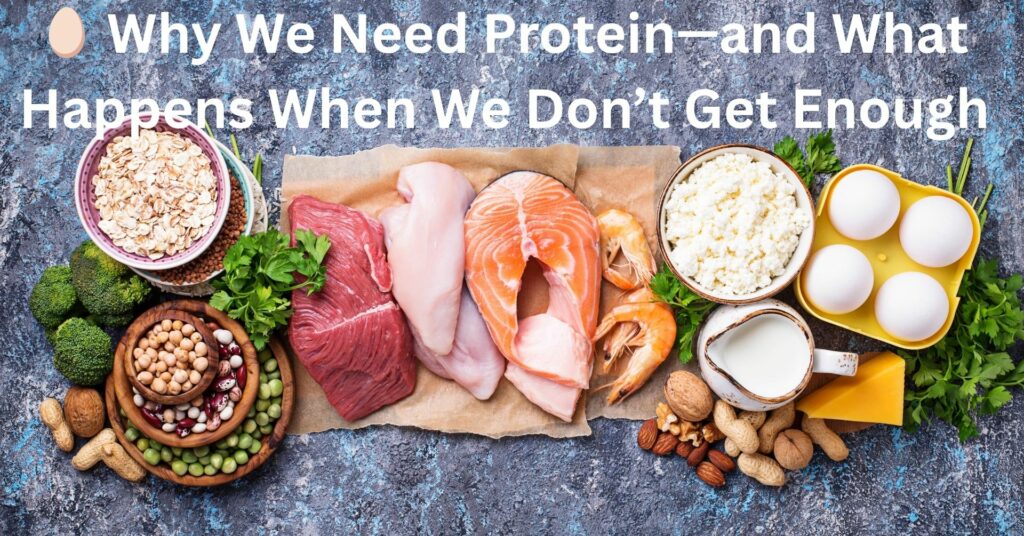
🥩 Best Sources of Protein
You can meet your daily needs through a mix of whole foods and clean supplements.
Animal-Based:
- Eggs
- Chicken, turkey
- Fish and seafood
- Greek yogurt, cottage cheese
- Lean beef
Plant-Based:
- Lentils and beans
- Tofu, tempeh
- Quinoa
- Nuts and seeds
- Plant-based protein powders
🧃Tip: A protein-rich snack (like Greek yogurt or a shake) can help you hit your target without overeating.
💬 My Story
As a Marine veteran and retired educator, I didn’t always pay attention to my protein intake—until I hit 65 and realized my recovery from workouts (and even daily stress) took longer. I now follow a wellness routine with clean protein, resistance training, and sleep support—and it’s made a world of difference in my energy and focus.
🎯 Want Help Creating a Wellness Plan with the Right Protein Support?
Let’s simplify your nutrition.
In your free Wellness Strategy Session, I’ll guide you through:
- How to calculate your ideal protein needs
- Easy ways to get more protein (without changing your entire diet)
- A private tour of my favorite wellness marketplace with safe, affordable options
👉 Click here to schedule your FREE session
Facebook Comments