The Truth About Palm Oil: What You Need to Know Before Your Next Snack
Category: Healthy Nutrition
🌴
Palm oil is everywhere.
It’s in your favorite cookies, your go-to shampoo, your microwave popcorn, and even some health supplements. But behind its convenience and low cost lies a deeper truth—one that affects your health, the planet, and the people who produce it.
So what’s the real deal with palm oil? And is organic palm oil actually better?
Let’s break it down.
🧪 What Is Palm Oil?
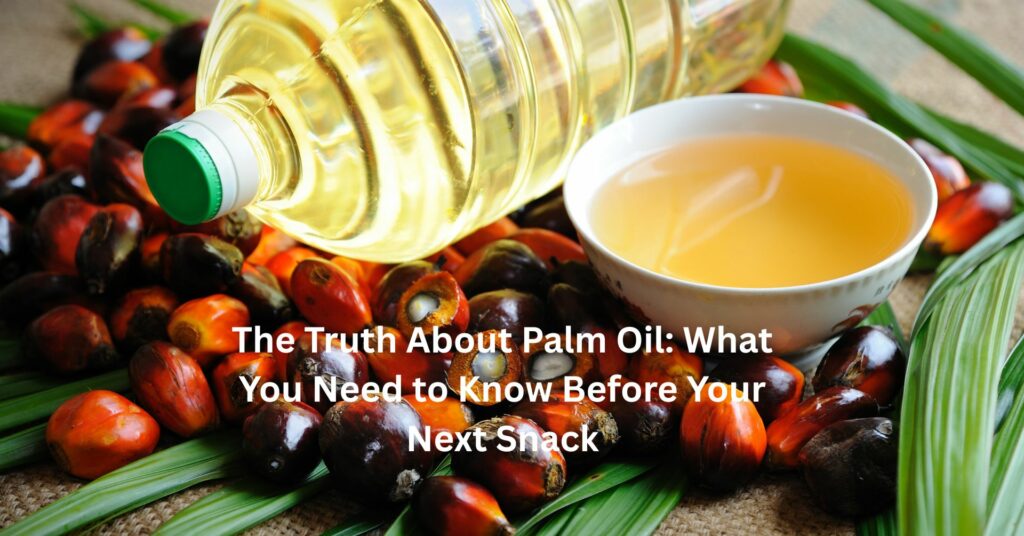
Palm oil is a type of vegetable oil derived from the fruit of the oil palm tree, primarily grown in Indonesia and Malaysia. It’s semi-solid at room temperature, shelf-stable, and inexpensive, which is why it’s become a staple in processed food and personal care products.
But the way it’s grown, processed, and consumed has raised major red flags.
⚠️ Health Risks of Conventional (Non-Organic) Palm Oil
1. High in Saturated Fat
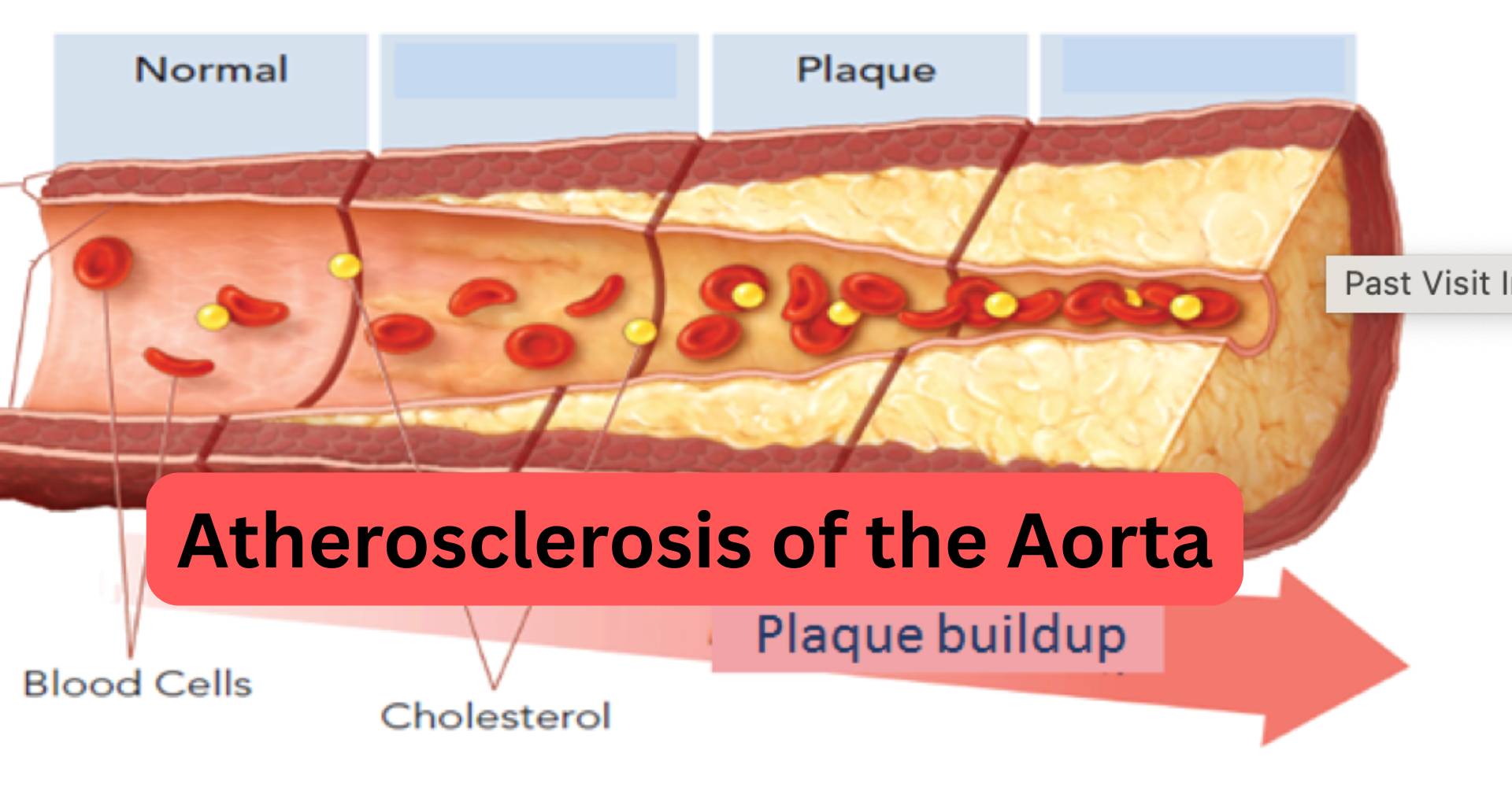
Palm oil is about 50% saturated fat. While not as harmful as trans fats, high intake of saturated fats can raise LDL (“bad”) cholesterol levels, increasing your risk of:
- Heart disease
- Stroke
- Atherosclerosis
2. Carcinogenic Contaminants in Processing
When palm oil is refined at high heat, it can produce chemical byproducts like:
- 3-MCPD
- Glycidyl esters
Both are considered potential carcinogens by the European Food Safety Authority (EFSA). These contaminants are found most often in processed snacks and baked goods using refined palm oil.
3. Inflammatory Potential
Some studies suggest refined palm oil may increase inflammation, particularly when it’s used in combination with a poor diet or in ultra-processed foods.
🌎 The Environmental and Ethical Impact
- Deforestation: Vast tracts of rainforest are cleared for palm plantations, destroying ecosystems and endangering wildlife like orangutans and tigers.
- Greenhouse Gas Emissions: Peatland destruction releases massive carbon stores into the atmosphere.
- Labor Exploitation: Some palm oil operations have been linked to child labor, forced labor, and poor working conditions.
That cheap snack might come at a much higher cost than you think.
✅ What About Organic Palm Oil?
Organic palm oil is produced without:
- Synthetic pesticides
- Chemical fertilizers
- GMO trees
And when certified by reputable organizations (like USDA Organic or EU Organic), it often meets strict standards for:
- Soil health
- Sustainable harvesting
- Worker safety
🟢 Benefits of Organic Palm Oil:
- Lower risk of chemical residue
- No genetically modified organisms (GMOs)
- Typically avoids high-heat processing (which reduces carcinogen risk)
- Better for biodiversity and long-term sustainability
🤔 Organic vs. Non-Organic Palm Oil: Side-by-Side Comparison
| Feature | Organic Palm Oil | Non-Organic Palm Oil |
|---|---|---|
| Chemical-free | ✅ Yes | ❌ No (pesticides & fertilizers) |
| GMO-free | ✅ Yes | ❌ Possibly GMO |
| Healthier processing | ✅ Often cold-pressed | ❌ Often high-heat refined |
| Saturated fat content | ⚠️ Still high (use in moderation) | ⚠️ Still high |
| Risk of contaminants | 🔽 Lower | 🔼 Higher (3-MCPD, glycidol) |
| Ethical sourcing | ✅ More traceable & transparent | ❌ Often hidden or poorly regulated |
| Environmental impact | 🟢 Managed more sustainably | 🔴 Major contributor to deforestation |
🧠 Bottom Line: Should You Avoid Palm Oil?
You don’t have to fear all palm oil—but you should be selective.
Avoid cheap, processed products that use palm oil without transparency. Instead, look for:
- Products labeled “organic palm oil”
- Brands that are RSPO-certified and organic
- Whole food alternatives made with coconut oil, olive oil, or avocado oil
📥 Ready to Clean Up Your Pantry?
I’ve created a free Clean Label Shopping Guide that includes:
- The safest oils for cooking and snacks
- A list of brands that use organic or no palm oil
- 5 quick swaps to reduce your toxic load at home
👉 Download the Clean Oil Guide or Schedule Your Wellness Session Here
Your health matters—right down to the oil in your popcorn.
Facebook Comments