💤 The Truth About Resting Heart Rate While Sleeping: Why It Matters More Than You Think
Category: Healthy Heart Numbers
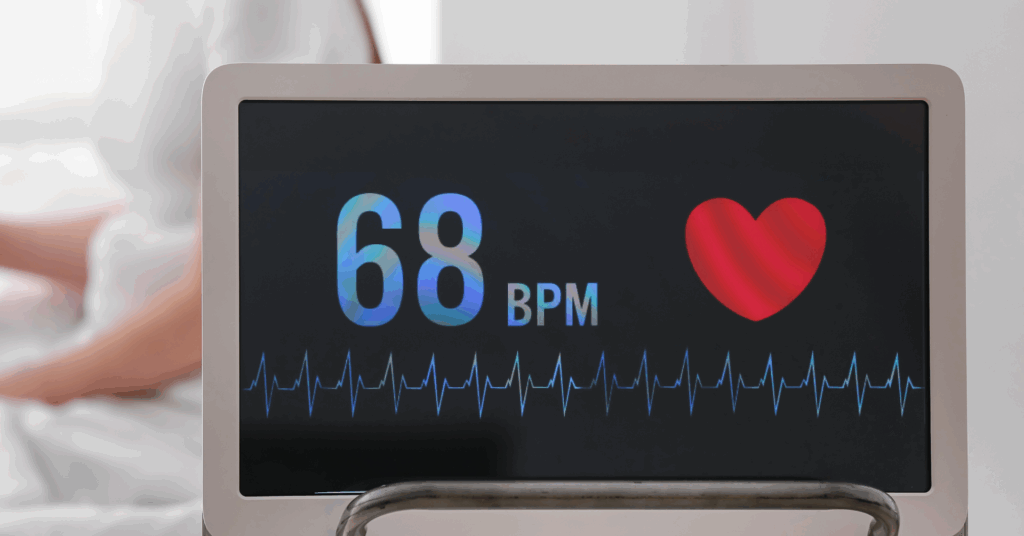
When it comes to health, most people focus on the numbers they can see—weight, blood pressure, cholesterol. But there’s a quiet number working behind the scenes every night that can tell you more about your heart and nervous system than you think: your resting heart rate while sleeping.
As a Gulf War veteran managing PTSD, recovering from prostate cancer, and navigating sleep challenges, I learned firsthand how powerful this number can be in tracking true wellness. Let me break it down for you.
🫀 What Is a Resting Heart Rate While Sleeping?
Your resting heart rate (RHR) is the number of times your heart beats per minute when you’re relaxed and not active. During sleep, this number naturally drops even further as your body enters its deepest recovery state.
Normal RHR while sleeping:
- Adults: 40–60 bpm
- Athletes: Sometimes as low as 30–40 bpm
This slowing is not a sign of weakness—it’s a sign of strength. It shows your heart is efficient and your nervous system knows how to power down when it’s safe.
😴 Why Your Heart Slows Down at Night
At night, your body activates the parasympathetic nervous system—often called the “rest and digest” mode. This slows down:
- Your breathing
- Your digestion
- Your heart rate
When you reach deep non-REM sleep, your heart rate is at its lowest. During REM (when you dream), your heart rate may fluctuate, but on average, it’s still well below your daytime rate.
🔬 What Your Sleep Heart Rate Says About Your Health
Your sleeping heart rate can give you early warning signs before you even feel symptoms. For example:
- A consistently elevated heart rate at night may mean you’re dehydrated, overly stressed, or fighting off an illness.
- A sudden drop in heart rate could reflect medication side effects or overtraining if you’re an athlete.
For me, tracking this helped me realize when PTSD flare-ups were affecting my recovery—even before I had nightmares or daytime fatigue.
📉 How to Lower Your Nighttime Resting Heart Rate Naturally
If your heart is racing at night, try these:
- Daily movement (walk, stretch, swim, lift — but avoid intense workouts right before bed)
- Cut caffeine and alcohol at least 6 hours before sleep
- Deep breathing, mindfulness, or gratitude journaling
- Cool your bedroom — ideal temperature is 60–67°F
- Use a consistent sleep schedule
When I made these changes, not only did my heart rate stabilize — I started sleeping through the night for the first time in years.
📲 Tools That Help You Track It
- Fitbit, Apple Watch, Garmin, Whoop
- Oura Ring (my personal favorite for tracking readiness)
- Sleep-tracking apps like Sleep Cycle or Pillow
Many devices give you a sleep score — but it’s your heart rate trend over time that tells the real story.
🚨 When to See a Doctor
- RHR drops below 40 bpm regularly and you’re not an athlete
- You experience dizziness, fainting, or chest discomfort
- Sleep heart rate is consistently above 85 bpm
🔁 Reset Your Health, One Night at a Time
The journey to better sleep — and better health — starts with awareness. If you’re a man over 40 (or someone who loves one), take this seriously.
That’s why I created the Factory Reset for Men’s Health community. It’s a step-by-step guide to reclaim your energy, your strength, and your peace — starting with the one metric that rarely lies: your heart rate.
👉 Join the free mini-course
Take the first step. Your heart (and future) will thank you.
Jordan B. Smith Jr., Ed.D.
Veteran | Wellness Educator | Prostate Cancer Survivor
@teachleadandinspire | Factory Reset for Men’s Health

Facebook Comments