Why Fiber Supplements Matter More As You Age: A Simple Guide to Staying Regular, Healthy, and Energized
Category: Uncategorized

Let’s talk about something most people avoid until there’s a problem: fiber. It’s not flashy, but fiber plays a major role in maintaining your health—especially as you age.
As we get older, our bodies change. Digestion slows down. We may become less active. Our food choices might shift. All of these factors can lead to common (and uncomfortable) issues like constipation, weight gain, blood sugar spikes, or cholesterol concerns. That’s where fiber supplements can step in and make a big difference.
🌾 What Is Fiber and Why Do You Need It?
Fiber is the part of plant-based foods that your body can’t digest. It comes in two forms:
- Soluble fiber, which dissolves in water and helps control blood sugar and cholesterol.
- Insoluble fiber, which adds bulk to stool and keeps things moving in your digestive system.
Most adults need 25 to 35 grams of fiber per day—but studies show that the average intake is far below that. And for seniors, the need for fiber often increases, while intake decreases due to reduced appetite, dental issues, or diet restrictions.
🛡️ Top Benefits of Fiber Supplements for Aging Adults
1. Prevents Constipation & Promotes Regularity
Let’s be honest—regular bowel movements are key to comfort and well-being. Fiber adds bulk and softness to stool, making it easier to pass and reducing the need for harsh laxatives.
2. Supports Healthy Cholesterol Levels
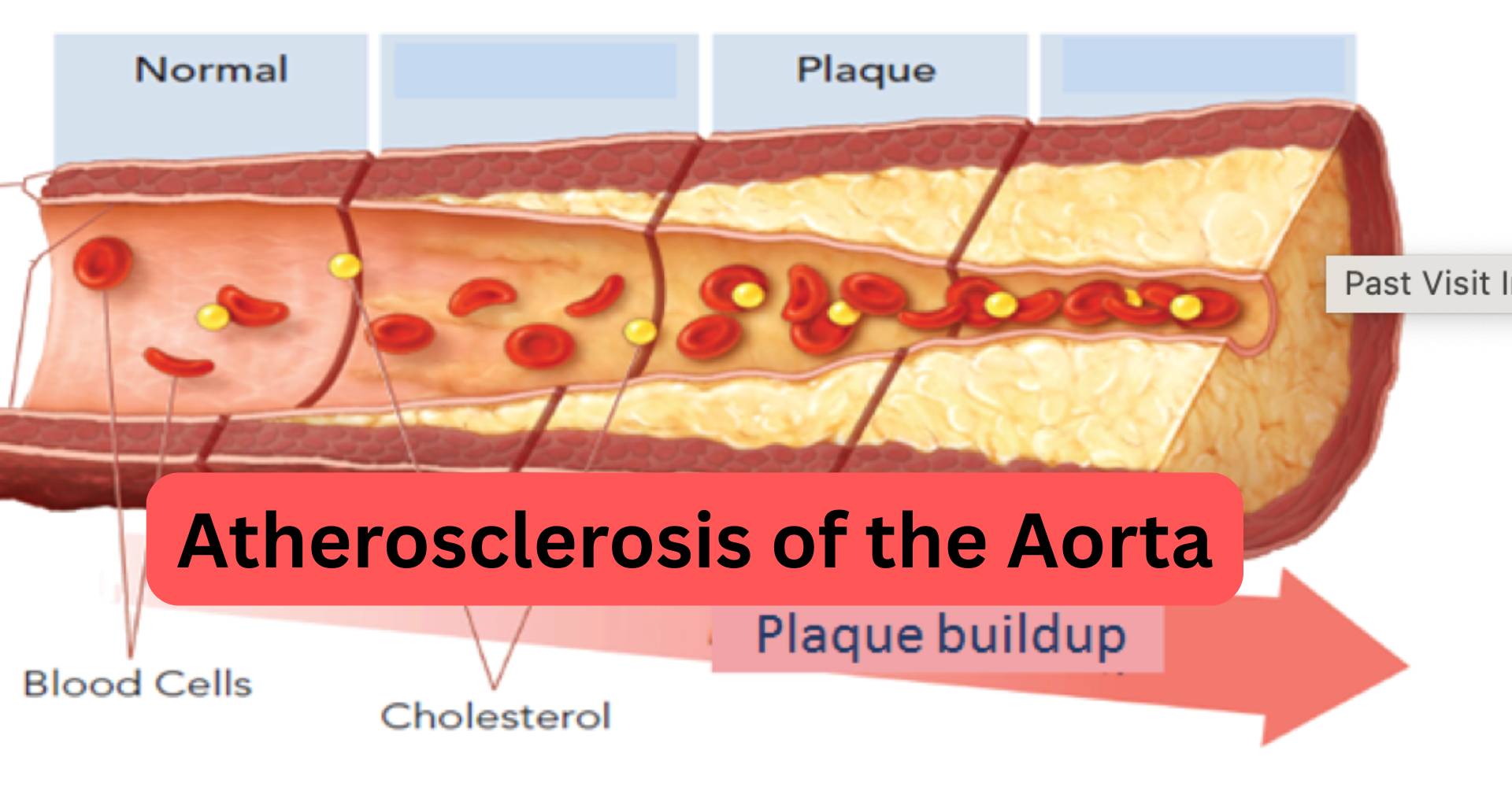
Soluble fiber (like psyllium husk) binds to cholesterol in the digestive tract, helping to lower LDL (“bad”) cholesterol without affecting HDL (“good”) cholesterol.
3. Helps Manage Blood Sugar
For seniors at risk of Type 2 diabetes, fiber slows sugar absorption and helps maintain stable blood glucose levels—especially after meals.
4. Promotes Healthy Weight
Fiber keeps you fuller longer, helping reduce cravings and overeating. That’s a big win for metabolism as it naturally slows with age.
5. Supports a Healthy Gut
Fiber acts as a prebiotic, feeding the good bacteria in your gut. A healthy gut microbiome is linked to better immune function, mental clarity, and even mood regulation.
🧃 What Type of Fiber Supplement Is Right for You?
Here are a few common types of fiber supplements and who they’re best for:
| Type | Key Benefit | Best For |
|---|---|---|
| Psyllium Husk | Soluble + insoluble; heart health | Cholesterol & regularity |
| Inulin/Chicory Root | Prebiotic effect; feeds gut bacteria | Gut health & digestion |
| Methylcellulose | Non-fermentable; gentle on digestion | Sensitive stomachs & fiber newbies |
| Wheat Dextrin | Easy to mix; low bloat risk | General daily use |
| Acacia Fiber | High tolerance, low gas | IBS & gentle fiber intake |
Always start slow and drink plenty of water. Too much fiber too fast can cause bloating or cramping.
✅ How to Add Fiber Supplements to Your Routine
- Start with 1 dose per day, then increase gradually if needed
- Mix with water, juice, smoothies, or food
- Take with meals for best blood sugar and cholesterol control
- Pair with water—fiber needs hydration to work!
❤️ Final Thoughts: Don’t Wait for a Problem
You don’t need to wait for constipation, high cholesterol, or blood sugar spikes to start thinking about fiber. Adding a supplement now can help prevent problems later. Think of it as an easy daily habit with major health rewards.
Your digestive system, heart, and metabolism will thank you.
Want to learn more about natural ways to stay energized, regular, and well as you age?
👉 Join my Weekly Wellness Discovery Show — details available on my Facebook profile page.
Together, we’ll build better habits—one day at a time.

Facebook Comments